
Sunscreen: Summer-proof your skin routine
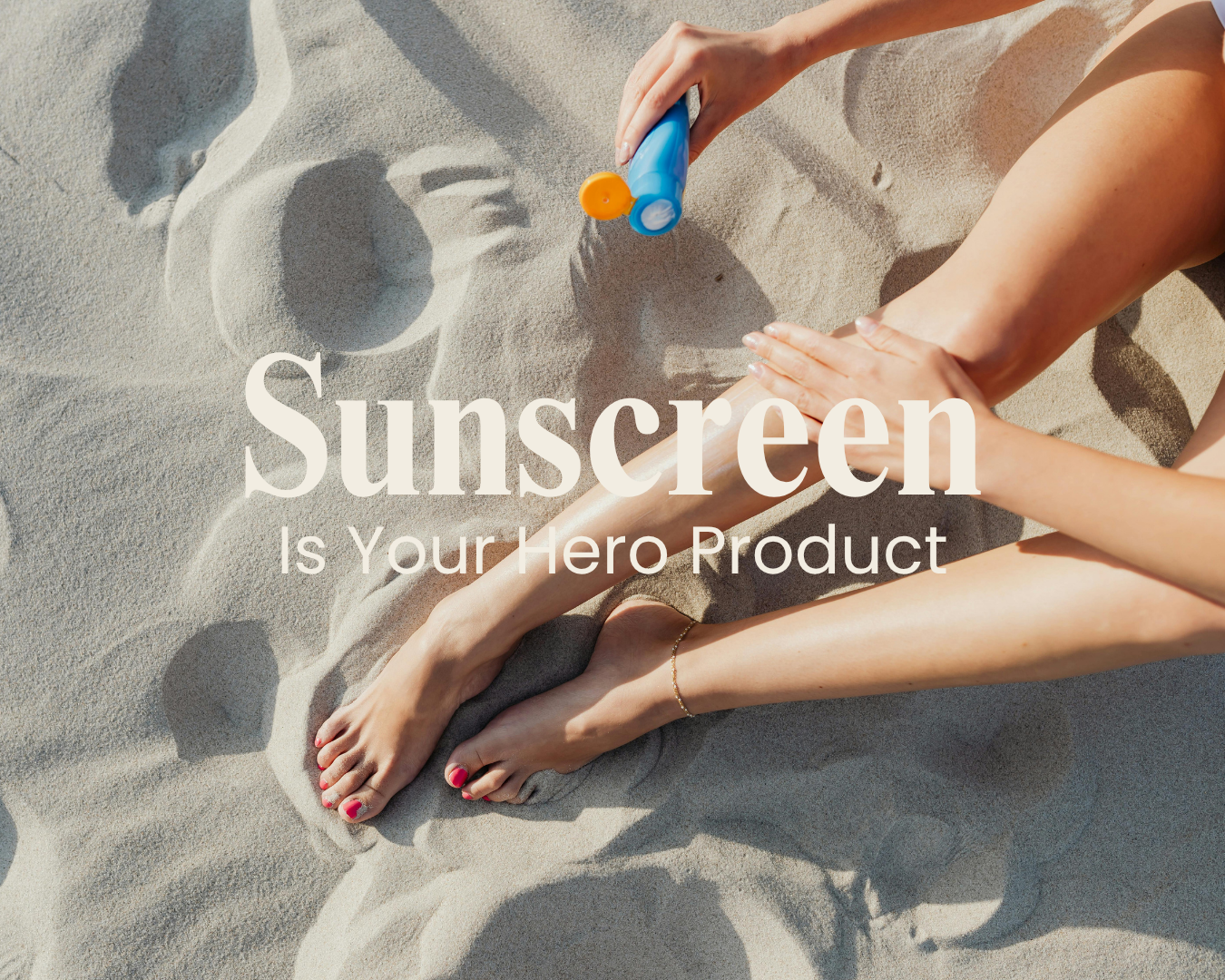
Sunscreen is more than a beach accessory. At the most basic level, it prevents sunburn by blocking or absorbing ultraviolet (UV) radiation.
UVB rays are primarily responsible for the painful reddening of skin, while UVA rays penetrate more deeply and can contribute to aging and DNA damage. Both types of UV can increase the risk of skin cancer, but use of quality sunscreen in the proper manner can help lower that risk by reducing the amount of UV energy that reaches and mutates the cells in your skin. In practical terms, wearing sunscreen can help prevent the discomfort and adverse effects of sunburn.
Understanding how sunscreen works helps explain why application matters. The label “broad‑spectrum” means a product protects against both UVA and UVB. The Sun Protection Factor, or SPF, primarily measures protection from UVB; for example, SPF 30 blocks roughly 97 percent of UVB, while SPF 50 blocks about 98 percent. No sunscreen blocks everything, and effectiveness depends on applying enough product and reapplying every two hours, or after swimming or heavy sweating.
When choosing a sunscreen, one important distinction is between mineral (also called physical) and chemical formulations. Mineral sunscreens typically contain zinc oxide and/or titanium dioxide and act by sitting on the skin’s surface to reflect and scatter UV rays. Chemical sunscreens contain compounds that absorb UV energy and convert it to heat.
Both types can provide protection, but mineral sunscreens may offer several advantages. Mineral sunscreens provide broad, immediate protection without waiting to be absorbed into the skin. Zinc oxide in particular offers stable protection across a wide range of wavelengths, covering both UVA and UVB effectively.
Mineral sunscreens also stay stable on the skin without breaking down under sunlight, and do not absorb into the bloodstream like some chemical ingredients can. The ingredients largely remain on the skin’s surface and are inert, so they tend to be gentler on sensitive, acne‑prone, or rosacea‑prone skin and are much less likely to cause irritation or allergy. Plus, they are ocean-safe and do not harm coral reefs. The main trade-offs are that some formulations can leave a visible white cast, and mineral spray products should be avoided to prevent breathing in tiny particles.
When it comes to free radicals—the unstable molecules that break down skin cells and accelerate aging—neither mineral nor chemical sunscreen is 100% immune to creating them. Chemical sunscreens break down over time in sunlight and can soak into the skin, which can actually increase free radical activity after about an hour of sun exposure. Meanwhile, mineral filters like zinc oxide can also generate free radicals when hit by UV rays, especially while swimming.
Because both types can trigger these aging molecules under the sun, picking one type over the other isn't the magic fix. A good defense with any sunscreen is to reapply it every two hours and layer a daily antioxidant serum (like Vitamin C) underneath to help catch and neutralize those extra free radicals.
In short, sunscreen is a simple, powerful way to protect your skin’s short‑ and long‑term health. Choosing a broad‑spectrum mineral sunscreen may be a good choice for many people by providing immediate, stable coverage with a gentle profile and fewer environmental concerns.