
Mushrooms: An Ultimate Smart Food + Our Top Picks and Tips on Prep
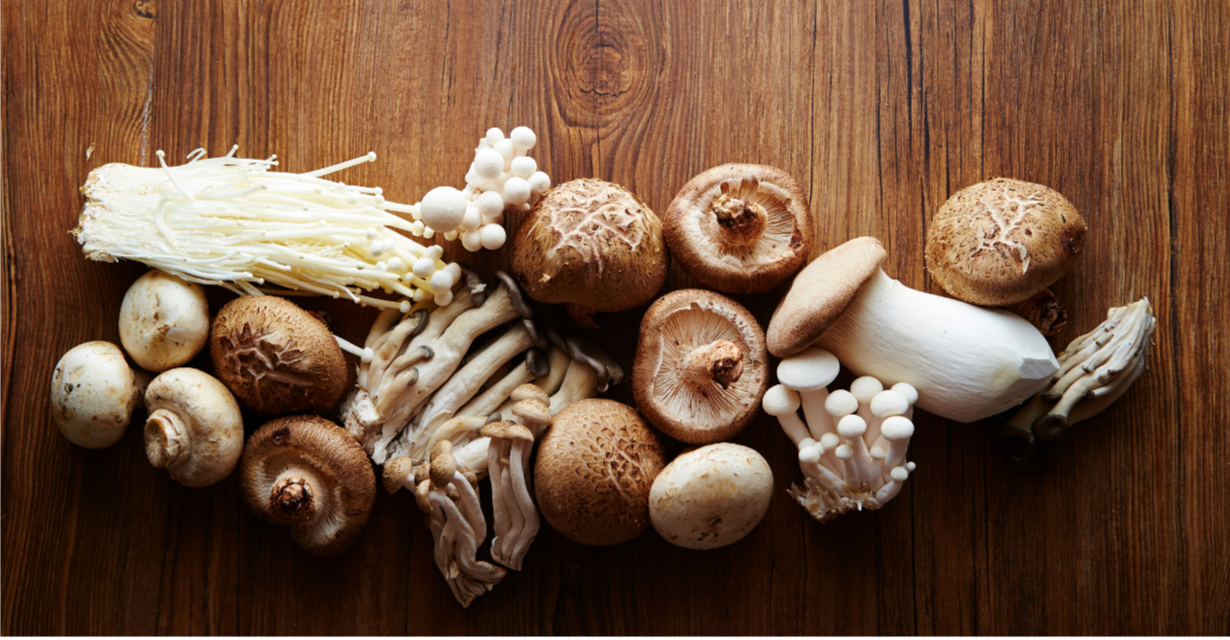
Mushrooms have been utilized as both food and medicine for centuries. Adding to traditional wisdom, modern research shows they offer significant health benefits. Beyond their earthy flavor and culinary versatility, mushrooms are true "functional foods." They contain unique bioactive compounds that support gut health, immune modulation, cognitive function, and metabolic function, and stress resilience.
In our integrative approach to health at Synergy, we love using culinary mushrooms because they offer systemic benefits while promoting dietary diversity. Because different species contain specific fibers and distinct medicinal compounds, including a variety of types in your diet can be particularly beneficial to healthspan.
Shiitakes: Immune Modulation and Heart Health
Shiitake mushrooms have a long history of culinary and traditional use and are especially valued for their ability to support the cardiovascular system and the body’s natural defenses via their immune-supportive properties. Their rich, savory flavor also makes them an easy addition to soups, stir-fries, and grain-based dishes.
Shiitake highlights:
Lentinan for Immunity: They contain Lentinan, a complex polysaccharide that enhances the immune system's "Natural Killer" (NK) cells to better identify and fight abnormal cells [1].
Eritadenine for Cholesterol: This compound inhibits an enzyme involved in producing cholesterol. Studies show it can help lower blood lipids.
Beta-glucans for Gut & Metabolic Support: Shiitakes provide prebiotic fibers that nourish the gut microbiome and contain beta-glucans that help maintain immune balance [2].
B vitamins: They are a potent source of B vitamins used for energy metabolism and copper used for heart health.
Help prevent plaque buildup in arteries: Shiitake extracts significantly reduce the production of pro-inflammatory cytokines (like TNF-alpha) in the blood vessels. By lowering chronic inflammation and preventing LDL oxidation, the mushroom compounds directly inhibit the early stages of plaque buildup. [8]
Blue Oysters: Metabolic and Vascular Support
Blue oysters are tender and mild, making them an excellent "entry-level" mushroom for people who do not typically cook with mushrooms. They cook quickly and absorb flavors well, making them ideal for sautéing or roasting.
Blue Oyster highlights:
Blood Sugar Regulation: They provide specific fibers that improve insulin sensitivity and support healthy blood sugar balance.
Oxidative Protection: Rich in ergothioneine—often called the "longevity antioxidant"—they help protect cells and vascular linings from oxidative stress [3].
Natural Statins: These mushrooms naturally contain lovastatin, which helps lower LDL ("bad") cholesterol and supports overall heart health [2]. *Pro Tip: The highest concentrations of lovastatin are typically found in the gills (underneath the cap).
Black Pearl Oysters: Anti-Inflammatory and Nutrient-Dense
Black pearl oyster mushrooms are a meatier hybrid variety with a slightly richer flavor and firmer texture. They offer a robust texture and that holds up well in roasting, grilling, or pan-searing. Look to these mushrooms for significant cellular support.
Black Pearl Oyster highlights:
Cellular Resilience: They feature high concentrations of antioxidants that support overall cellular integrity and longevity [3].
Digestive Satiety: Their dense fiber content contributes to digestive health and prolonged satiety, making them a great tool for weight management [2].
Mineral Support: They are naturally rich in potassium, which is critical for maintaining healthy blood pressure and muscle function.
Lion’s Mane Mushrooms: Cognitive and Nervous System Support
Lion’s Mane is the "brain mushroom," widely studied and known for for its ability to cross the blood-brain barrier and support the brain / central nervous system. From a culinary standpoint, lion’s mane has a mild flavor and works well as a seafood-style or meat alternative.
Lion’s Mane highlights:
Neuroprotection: Contains hericenones and erinacines, unique compounds that stimulate Nerve Growth Factor (NGF), essential for the maintenance and survival of neurons, Brain-Derived Neurotrophic Factor (BDNF), supporting neuron health, synaptic plasticity, and potentially improving cognitive function and mood. [5].
Cognitive Enhancement: Emerging human research shows improved memory and cognitive function in adults following consistent consumption [4].
Mental Wellbeing: Preliminary evidence suggests it may help reduce symptoms of anxiety and depression by lowering neuro-inflammation and contributing antioxidant protection at the cellular level [3]
Maximizing the Benefits: Culinary Medicine Tips
How you prepare your mushrooms impacts the bioavailability of their medicinal compounds. Cooking mushrooms enhances their flavor and helps make many of their beneficial compounds more available for absorption. Here are some of our favorite tips.
Sautéing with Healthy Fats: Using stable fats like avocado oil helps with the absorption of fat-soluble compounds. Keep heat moderate to preserve heat-sensitive B vitamins.
Soups and Stews (Slow Cooking): This is the gold standard for extracting beta-glucans. Since these are water-soluble, simmering ensures these immune-boosting compounds remain in the broth you consume.
Don’t Toss the Stems: Mushroom stems often contain twice the concentration of beta-glucans as the caps. Chop them finely and include them in your stocks or sautés.
The "Sunlight Trick": Leave your fresh mushrooms in direct sunlight for 15–30 minutes before cooking. Their ergosterol will convert into high levels of Vitamin D, significantly boosting the nutritional value.
Mushrooms are easy to incorporate into everyday meals – we recommend that you try:
Sautéing them with olive oil, garlic, and herbs
Adding them to your favorite soup or sauce
Mixing them into eggs, omelets, or frittatas
Roasting them alongside vegetables
Adding them grain bowls
Mushrooms are an incredible functional food, providing nutrients and compounds that support many aspects of our health. We recommend intentionally rotating these varieties of culinary mushrooms (and others) into your diet to help provide your body with a sophisticated toolkit for long-term health and vitality.
References Vetvicka V, Vetvickova J. Immune-modulating effects of beta-glucans from mushrooms. J Fungi (Basel). 2020.
Jayachandran M, Xiao J, Xu B. A critical review on health-promoting benefits of edible mushrooms through gut microbiota. Int J Mol Sci. 2017.
Valverde ME, Hernández-Pérez T, Paredes-López O. Edible mushrooms: Improving human health and promoting quality life. Int J Microbiol. 2015.
Mori K, Inatomi S, Ouchi K, Azumi Y, Tuchida T. Improving effects of the mushroom Hericium erinaceus on mild cognitive impairment: a double-blind placebo-controlled clinical trial. Phytotherapy Research. 2009;23(3):367–372.
Friedman M. Chemistry, nutrition, and health-promoting properties of Hericium erinaceus. J Agric Food Chem. 2015.
Rahman, M. A., et al. (2023). Cardiovascular protection and the role of mushroom bioactives. Journal of Fungi, 9(4), 432.
Hao, L., et al. (2022). Eritadenine and metabolic regulatory effects: A molecular review. Food & Function, 13, 1104-1115.
Kozarski, M., et al. (2020). Antioxidant and anti-inflammatory properties of Lentinula species. Microorganisms, 8(12), 1954.
Sugiyama, K., et al. (1995). Eritadenine-induced alteration of hepatic phospholipid metabolism. Journal of Nutritional Science and Vitaminology, 41(2), 163-180.