
The Chemistry of Calm: How Your Diet Shapes Your Mood
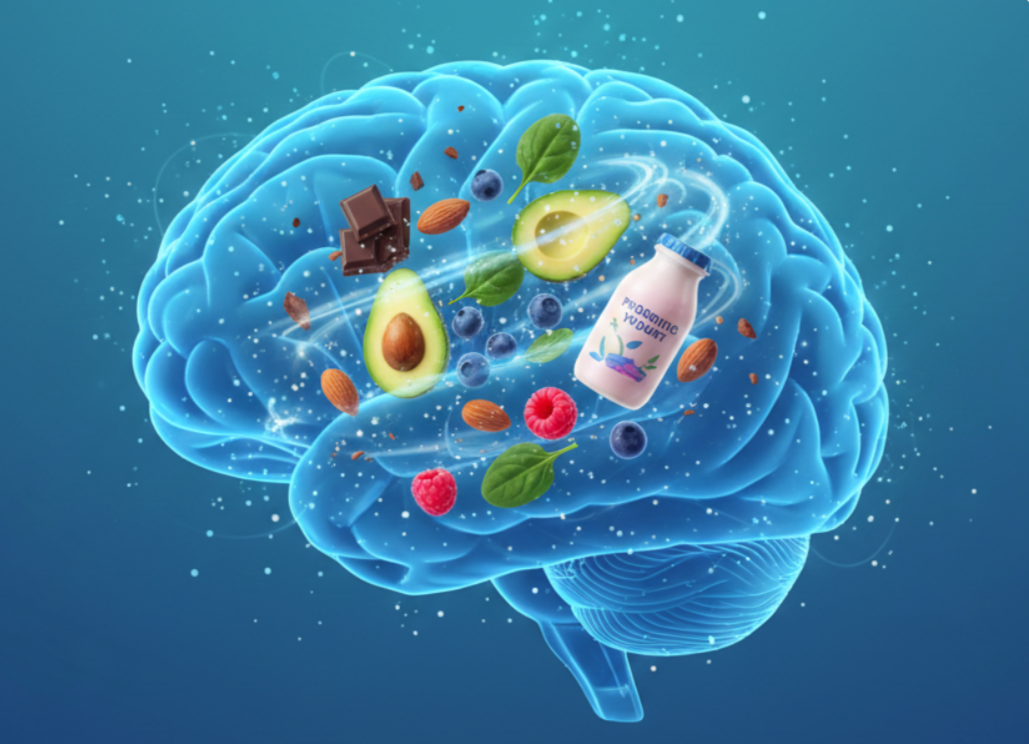
Mood, motivation, focus, and emotional resilience are not just psychological experiences, but also biochemical processes happening in the brain. At the center of these processes are neurotransmitters, the chemical messengers that allow brain cells to communicate.
The field of nutritional psychiatry, championed by clinicians such as Synergy’s guest this month, Dr. Uma Naidoo, focuses on a simple but powerful idea: the brain cannot make neurotransmitters without the right raw materials - the food we eat provides those materials. When critical ingredients are missing from our diet (or are poorly absorbed), mood and cognitive symptoms often follow.
Let’s look at how daily nutrition supports critical neurotransmitter production, over time creating a more stable foundation for your mental wellbeing. Are you giving your brain what it needs?
Neurotransmitters and Mental Health
Disruptions in neurotransmitter signaling have been linked to depression, anxiety, irritability, poor concentration, and fatigue. A growing body of nutritional psychiatry research demonstrates that diet quality and nutrient status influence these pathways (1).
While medications may be appropriate and essential for some individuals to support healthy neurotransmitter balance, the synthesis of these messenger molecules is also nutrient-dependent. Amino acids, vitamins, minerals, and metabolic cofactors derived from food are required for the brain to produce and regulate these chemical messengers efficiently (1).
Looking more closely at the specific neurotransmitters involved in mood, stress regulation, and cognitive function can help us understand how nutrition supports their production. Each of these chemical messengers relies on distinct nutrients and metabolic pathways, which means dietary patterns can influence mental health in very specific, biologically meaningful ways.
Let’s take a look at some of the key neurotransmitters involved in mood and mental health
Serotonin: Mood, Emotional Regulation, and Sleep
Serotonin plays an essential role in mood stability, emotional regulation, and sleep. It is synthesized from the amino acid tryptophan—found in foods like turkey, eggs, and pumpkin seeds—and this process depends on vital "helpers" such as Vitamin B6 (chickpeas), iron (spinach), and magnesium (dark chocolate and almonds) (2). Although serotonin is often thought of as a brain chemical because of where its actions take place, much of the body’s serotonin is produced in the gut, further linking digestive health and a balanced microbiome to emotional well-being (3).
Serotonin production depends on more than just having enough tryptophan in the diet. Factors such as ongoing stress, inflammation, and overall diet quality influence how efficiently the body can use tryptophan to support healthy serotonin levels. Research shows that diets rich in whole, anti-inflammatory foods—such as fatty fish, berries, and walnuts—help create a more supportive environment for serotonin signaling and mood regulation over time (1,2).
Dopamine: Motivation, Focus, and Drive
Dopamine plays a central role in motivation, focus, reward, and executive function. It is made from the amino acid tyrosine, which comes from protein in the diet. Its production and signaling are influenced by having adequate nutrients available in the body. Research suggests that overall diet quality and sufficient intake of key nutrients help support healthy dopamine function, particularly in the brain’s motivation and reward pathways (4).
Dopamine production relies on essential micronutrient "helpers" like vitamin B6 (found in chickpeas and salmon), Iron (found in lentils and spinach), and B-vitamins, which catalyze the chemical conversion of amino acids into active neurotransmitters. Additionally, minerals such as magnesium—abundant in dark chocolate, almonds, and avocados—ensure the proper release of dopamine.
When dopamine signaling is low, people may experience fatigue, reduced motivation, and difficulty concentrating. During times of chronic stress or high cognitive demand, having adequate nutrients becomes especially important, as insufficient protein intake or broader nutrient gaps may further impair dopamine-related brain function (4). Therefore, a diet rich in leafy greens, lean proteins, and seeds is vital.
GABA: Calming the Nervous System and Stress Regulation
GABA is the brain’s primary calming neurotransmitter. It helps slow down excessive nerve activity and plays an important role in managing anxiety, stress responses, and sleep quality. When GABA signaling is well-supported by nutrients like magnesium (found in pumpkin seeds and Swiss chard) and Vitamin B6 (found in pistachios and bananas), the nervous system is better able to shift out of "high alert" and into a more balanced, restful state.
GABA function is influenced by overall nutrient status and gut health. Research on the gut–brain axis shows that the microorganisms living in the digestive tract help regulate GABA activity, again linking digestive health to emotional regulation and stress resilience. Consuming fermented foods like kimchi, kefir, and sauerkraut, which contain probiotic strains capable of producing GABA, along with prebiotic fibers (i.e from onions and garlic), helps support a healthy gut environment; along with adequate intake of key nutrients, we can bolster GABA and this calming pathway in the brain (3,5).
Acetylcholine: Memory, Learning, and Cognitive Processing
Acetylcholine is a neurotransmitter that plays a central role in memory, learning, and attention. It helps the brain process information efficiently and is especially important for tasks that require focus, recall, and mental clarity.
Acetylcholine is made from choline, a nutrient that must come from the diet. Research shows that many adults do not consistently consume enough choline, which may affect cognitive performance over time (6).
Choline-rich foods include eggs (particularly egg yolks), soy, legumes, fish, poultry, and certain nuts and seeds. Regularly including these foods in the diet helps support acetylcholine production and healthy brain function across the lifespan (6).
Key Foods and Ingredients That Support Mood and Brain Health
Anti-inflammatory spices and roots, such as turmeric and ginger, help reduce neuroinflammation, a process increasingly linked to depression, anxiety, and impaired neurotransmitter signaling (7,8).
Stress-supportive foods and herbs, including adaptogenic plants like ashwagandha, help regulate cortisol and support a more balanced stress response, which indirectly supports serotonin, dopamine, and GABA activity during chronic stress (9).
Choline-rich foods, such as eggs, soy, and legumes, provide essential building blocks for acetylcholine, a neurotransmitter involved in memory, attention, and cognitive processing (6).
L-theanine–containing foods, most notably green tea, support calm focus and nervous system balance by promoting inhibitory signaling and reducing stress-related overactivation (10).
Gut- and metabolic-supportive foods and spices, including cinnamon, star anise, fiber-rich plants, and fermented foods, support digestion, microbial balance, and blood sugar stability, all of which influence serotonin signaling and mood regulation (3).
Antioxidant- and vascular-supportive foods, such as beetroot, berries, and leafy greens, help protect the brain from oxidative stress and support cerebral blood flow, which is important for long-term cognitive and emotional resilience (11).
Healthy dietary fats, from foods like olive oil, nuts, seeds, and coconut-based ingredients, support nutrient absorption, satiety, and metabolic stability, indirectly supporting steadier mood and energy regulation (12).
The brain depends on steady nourishment to function well. Neurotransmitters are continuously being produced and regulated using building blocks from the foods we eat. Supporting the brain through everyday nutrition is one meaningful way to care for mental health and overall well-being over time.
Want to learn more? Pioneering nutritional psychiatrist, Dr. Uma Naidoo, kicks off Synergy’s Book Series Masterclass: “Calm Your Mind with Food” this month!
References:
1.Marx W, Moseley G, Berk M, Jacka FN. Nutritional psychiatry: The present state of the evidence. Proc Nutr Soc. 2021;80(4):427–436.
2. Strasser B, et al. Role of tryptophan and serotonin in mood regulation. Front Psychiatry. 2022.
3.Cryan JF, et al. The microbiota–gut–brain axis. Physiol Rev. 2019.
4. McTavish SF, et al. Nutrition, dopamine, and motivation. Nutr Neurosci. 2021.
5. Mikkelsen K, et al. Magnesium, vitamin B6, and anxiety regulation. Nutrients. 2021.
6. Wallace TC, et al. Choline intake and cognitive performance. Nutrients. 2022.
7.Lopresti AL, et al. Curcumin for the treatment of major depression: A meta-analysis. J Affect Disord. 2020.
8.Mao QQ, et al. Bioactive compounds of ginger and their neuroprotective effects. Nutrients. 2019.
9. Lopresti AL, et al. A systematic review of ashwagandha for stress and anxiety. J Clin Med. 2019.