
Understanding “Leaky Gut” and Why it Matters in Whole-Person Health
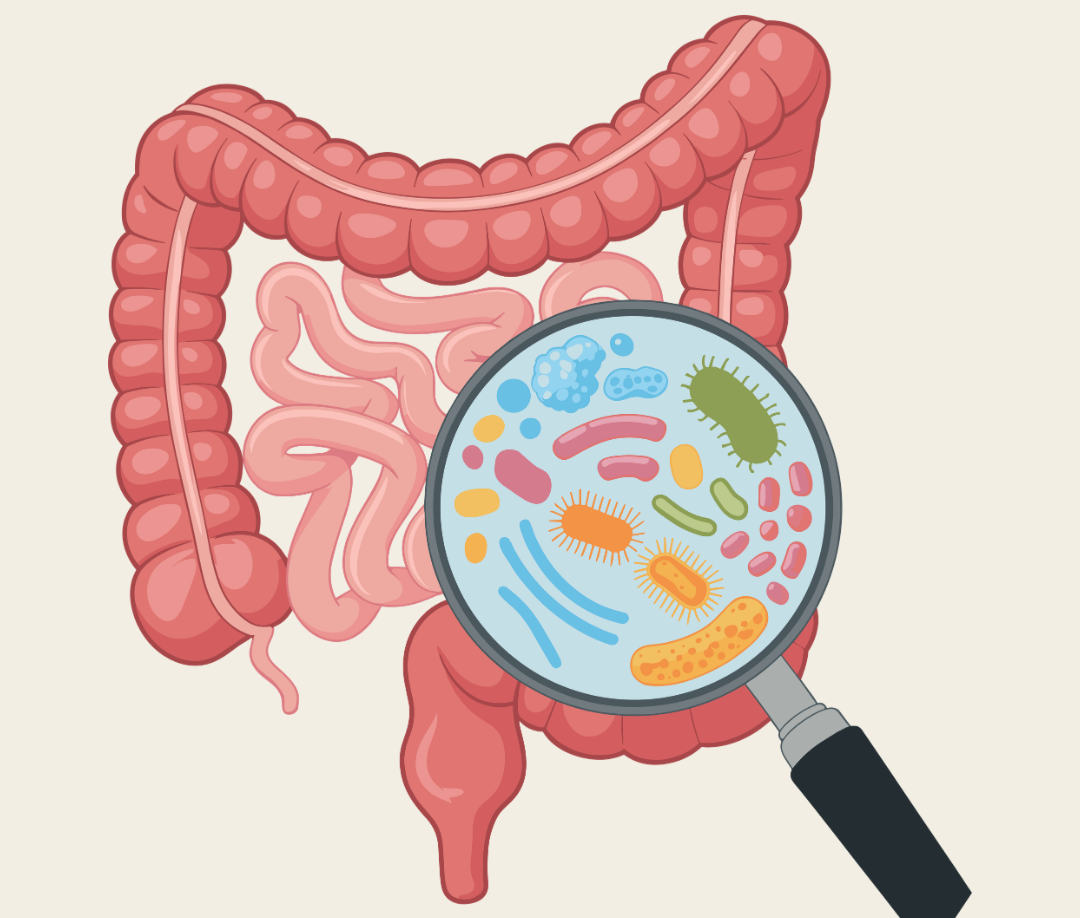
Our gastrointestinal tract - a.k.a. the gut - is much more than just a site of digestion. It is a critical interface between the external environment, the immune system, and the metabolic and inflammatory signaling pathways throughout the body.
The term “leaky gut” is often used to describe a physiologic process known as increased intestinal permeability. “Leaky gut” is not itself a diagnosis, but rather it refers to changes in the integrity and function of the intestinal barrier (or gut wall) that can alter how substances move from within the intestine, through the gut lining, and into the bloodstream. In some people, this process may contribute to immune activation, inflammation, and symptoms that extend well beyond the gastrointestinal tract [1].
Most of us think about gut health only when digestion is involved. But the health of our gut is foundational to our wellbeing, and what happens at the gut wall influences how different systems in the body interact with each other.
Your gut lining is supposed to be selective, not sealed
Your intestines are not meant to be a solid wall. They are meant to be selective. A healthy gut lining allows nutrients, water, and electrolytes to pass through (like a cheese cloth) while limiting the movement of bacteria, toxins, and inflammatory compounds.
To do this, it relies on:
A protective mucus layer
Specialized intestinal cells
Tight junctions that regulate what slips between cells
Constant communication with your immune system and gut bacteria (the gut microbiome)
When this system is working well, it supports digestion, immune balance, and metabolic health. When regulation is disrupted, permeability can increase [2,1].
Symptoms associated with “leaky gut”
Symptoms of “leaky gut,” are can be far-ranging, but often include digestive symptoms such as:
Bloating or abdominal discomfort
Diarrhea, constipation, or both
Feeling reactive to certain foods
Nausea or reflux-type symptoms
Some people also notice symptoms outside the gut, such as fatigue, brain fog, skin rashes, joint pain, or a general sense of inflammation. Research suggests that these systemic symptoms may be linked to immune signaling that is impacted by intestinal permeability [3].
What causes “leaky gut?”
There usually isn’t just one reason the gut lining becomes more “leaky.” It’s often a combination of factors, and those factors vary from person to person.
Some of the more common contributors include:
Ongoing digestive strain such as chronic reflux
Past infections, which can affect gut motility and stress the gut lining
Shifts in the gut microbiome, especially after illness or antibiotics
Chronic stress or not getting enough restorative sleep, both of which directly affect gut and immune function
Regular alcohol intake or certain medications, which can influence the integrity of the gut lining over time
Diets low in fiber and plant variety, which can reduce the signals that help maintain a healthy gut barrier
Research shows that intestinal permeability is influenced by interactions between gut bacteria, immune signaling, diet, stress physiology, and environmental exposures rather than a single cause [1, 2].
How the gut affects more than digestion
The gut does not work in isolation. It is in constant communication with the immune system, the nervous system, and metabolic pathways.
Research has linked changes in gut barrier function that are typical of leaky gut to:
Irritable Bowel Syndrome and other gut–brain conditions, where altered gut barrier function has been noted in some individuals and may contribute to heightened gut sensitivity and symptom flares [3].
Cardiometabolic inflammation and autoimmune conditions, where altered gut barrier function has been linked to chronic, low-grade inflammation that can place added strain on metabolic and cardiovascular systems over time [5] and may be linked to the over-reactivity of the immune system foundational in autoimmune disease.
Mood and brain-related symptoms, where changes in the gut lining may affect inflammation in the body. Because inflammation can also influence brain signaling, researchers are exploring whether gut permeability may play a role in mood for some people, alongside other factors beyond the known relationship between the gut microbiome and mood [3].
Inflammatory bowel disease, where the gut lining itself is affected. In Crohn’s disease and ulcerative colitis, the protective barrier of the intestine becomes compromised, playing a role in chronic inflammation and symptom flare-ups [4].
Seeing gut health through this broader lens helps explain why the gut lining has become an area of interest in whole-person care.
Want to learn more? We’ll be diving into this and more at our upcoming Synergy member virtual workshop, “Taking Care of Your Gut: Exploring Natural Ways to Support Gut Health and Microbiome Balance,” on Tuesday, March 10th (members check your email or login to your Member Resource Center for the registration link).
Reference List
1. Di Vincenzo F., Del Gaudio A., Petito V., Lopetuso L.R., Scaldaferri F. (2023). Gut microbiota, intestinal permeability, and systemic inflammation: a narrative review. Internal and Emergency Medicine, 19(2):275–293. doi: 10.1007/s11739-023-03374- w.
2. Camilleri M. What is the leaky gut? Clinical considerations in humans. Curr Opin Clin Nutr Metab Care. 2021 Sep 1;24(5):473-482. doi: 10.1097/MCO.0000000000000778. PMID: 34138767.
3. Grover M, Vanuytsel T, Chang L. Intestinal Permeability in Disorders of Gut-Brain Interaction: From Bench to Bedside. Gastroenterology. 2025 Mar;168(3):480-495. doi: 10.1053/j.gastro.2024.08.033. Epub 2024 Sep 3. Erratum in: Gastroenterology. 2025 May;168(5):1041. doi: 10.1053/j.gastro.2025.02.018. PMID: 39236897.
4. Dunleavy KA, Raffals LE, Camilleri M. Intestinal Barrier Dysfunction in Inflammatory Bowel Disease: Underpinning Pathogenesis and Therapeutics. Dig Dis Sci. 2023 Dec;68(12):4306-4320. doi: 10.1007/s10620-023-08122-w. Epub 2023 Sep 29. PMID: 37773554; PMCID: PMC10798146.
5. Jian E, Wang M, Zhang Z, Heng Y, Zhang C, Chen Q, Yu X, Zhu Y, Cai P. The metabolic endotoxemia and gut microbiota: research trajectories and hot trends across the centuries (1999-2024). Front Microbiol. 2025 Sep 5;16:1634803. doi: 10.3389/fmicb.2025.1634803. PMID: 40980312; PMCID: PMC12446963.